


About
Our dam story.
Because someone had to own that pun.
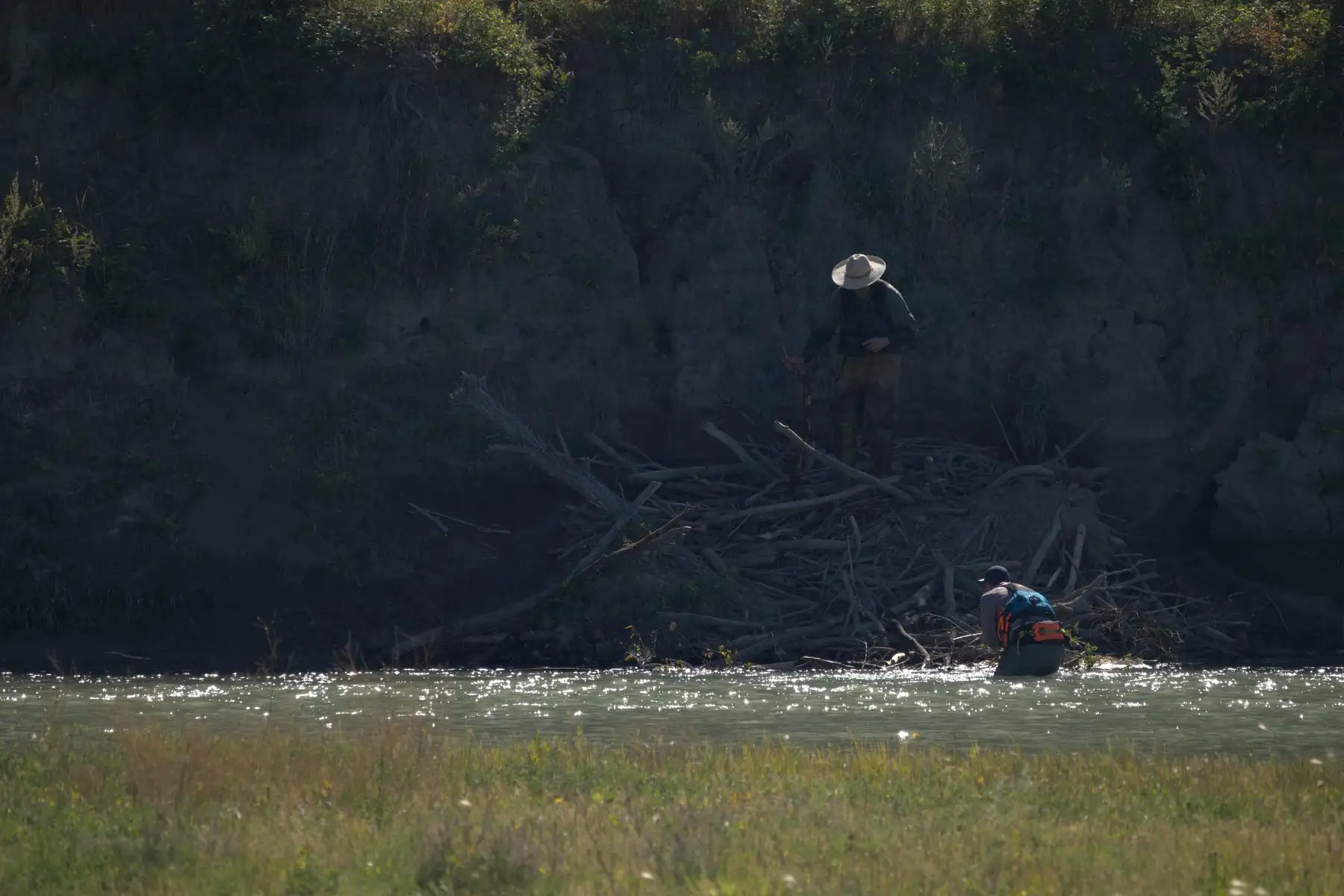
Photo from Voices of the Oldman, a docuseries by Next Bend
Founded 2019
It started with a dam that didn't exist.
That is still how we work. Figure out what the beaver is trying to do, then build the thing that lets it happen without flooding your road or eating your orchard. Since then: rural municipalities, cities, First Nations, ranches and industrial land managers, from a home base in Lethbridge to the far side of the country.
Canada's past was built on the backs of beavers. Our future will be built alongside them.
Mission
Coexistence as the default, not the exception.
of beaver activity in the areas we serve managed through coexistence by 2030.
across Canada by 2050.
Meet the Beaver Guy
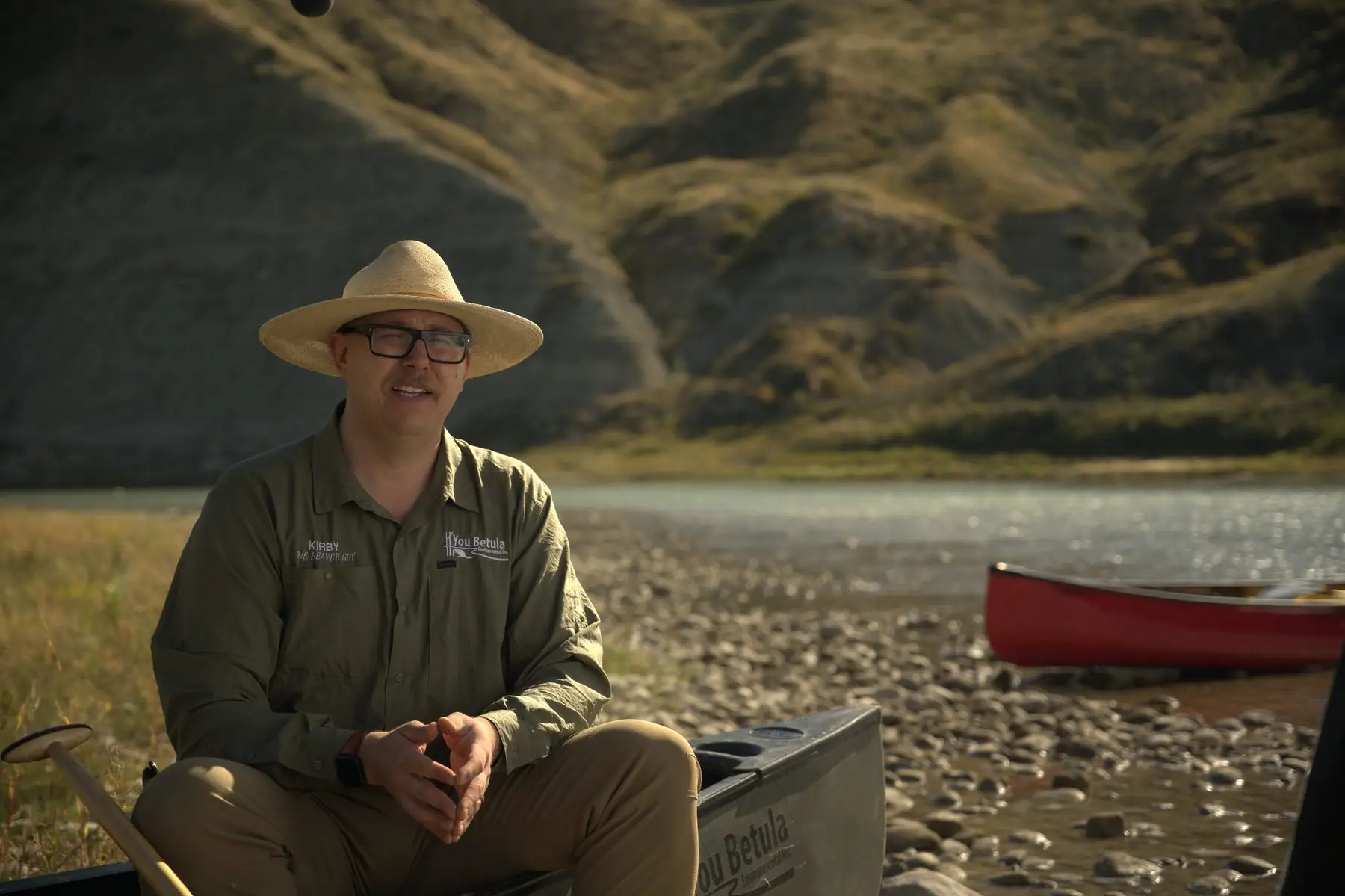
Kirby England
Kirby has liked beavers since before it was a job. He is a registered Professional Biologist, an Authenticating Wetland Professional, and a faculty member in the School of Environmental Sciences at Lethbridge Polytechnic, which means he spends half the year teaching people how wetlands work and the other half standing in them.
Ask him why he actually likes beavers and you'll get a twenty-minute answer about water storage, drought and fish. The short version: they do for free what we spend millions trying to engineer.
- P.Biol. #2541
- Professional Biologist, Alberta Society of Professional Biologists, since 2013
- AWP
- Authenticating Wetland Professional, ASPB
- M.Sc.
- University of Saskatchewan
- Faculty
- Continuing Faculty Member, School of Environmental Sciences, Lethbridge Polytechnic
- BeaverCORPS
- Graduate, Beaver Institute. Member in good standing
What we stand for
Four rules. We don't break them.
- 01
Work with the animal
Every design starts with what the beaver is trying to do. Fight that and you lose.
- 02
No lethal control
No traps, no kill permits. If a site can't be solved by coexistence, we say so.
- 03
Real numbers
We measure before and after, and we publish what we learn.
- 04
Say what it costs
Written plans with the price on them. No proposals that need a translator.
The humans behind the waders
“Say Beaver on 3!”
House rule: every site visit ends with a selfie. The beavers decline. The Beaver Buddies usually don't. Seven years of them, and counting.
 Job site, mosquito season
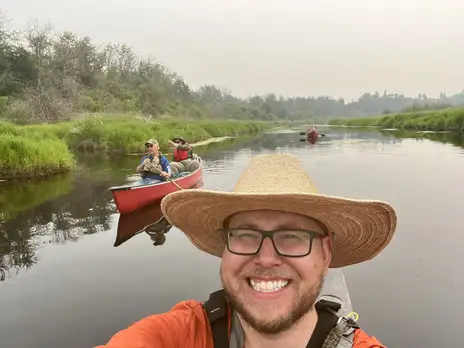 AWA paddle day
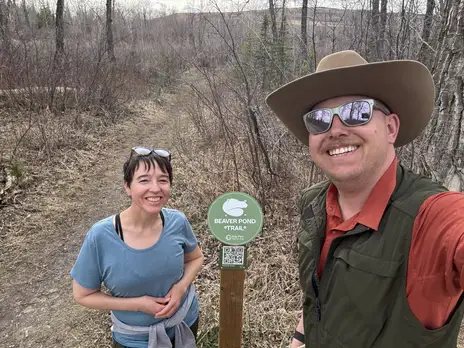 Beaver Pond Trail
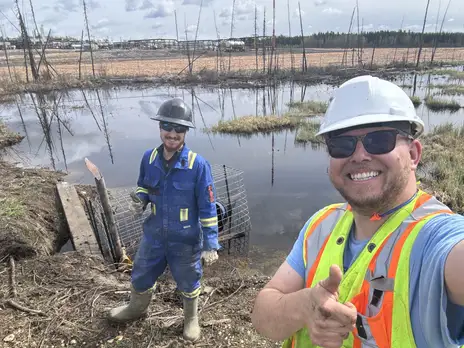 Simonette crew, 2024
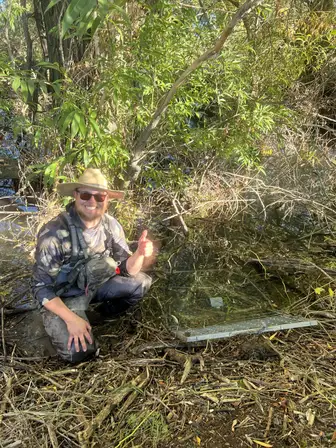 Hancock set, installed
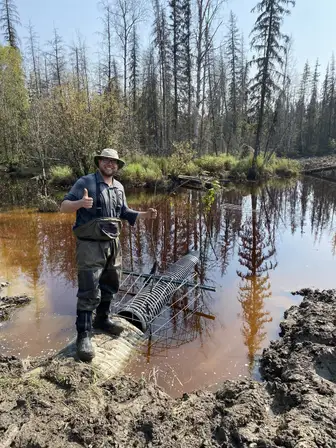 Birch fence & pipe
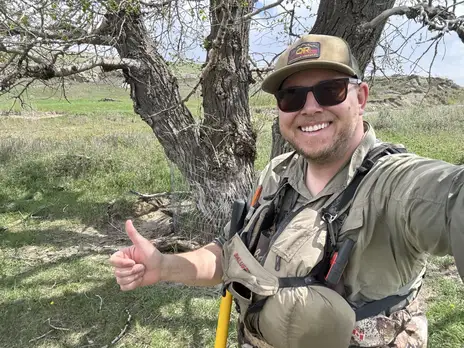 Trout Creek, wrapped
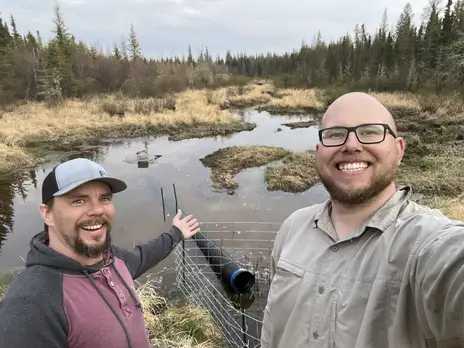 Elmont Rd install
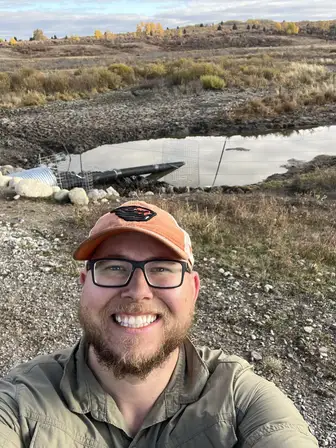 Site check
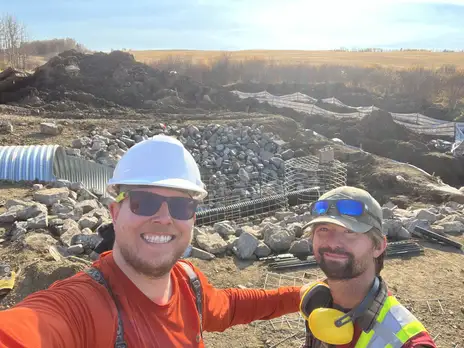 Hard hats on
- Paddle day, AWA
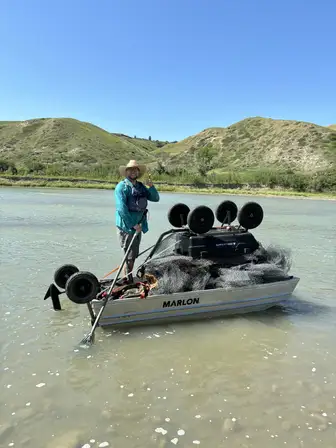 Garbage barge, Oldman
Partnerships
The company we keep.
The people we teach with, publish with and learn from.



Certifications
The paperwork is in order.
Safety and standing, so your procurement office has nothing to chase.


Free 15-minute consult
Got a beaver situation?
Tell us what the beavers have been up to and roughly where. We'll tell you what we'd do about it, and what it would cost, before anyone drives anywhere.